4-The-beach-of-Madrid para weba_10903.jpg
M30 Cover. Madrid Río Park Project
Madrid, Spain
Structural typology Structures Souterraines
Date October, 2010
Scope Technical support
Cliente MRIO Arquitectos
Architect MRIO Arquitectos (Burgos/Garrido, Porras/La Casta, Rubio/Álvarez-Sala y West 8)
Construction Ferrovial
Owner Ayuntamiento de Madrid
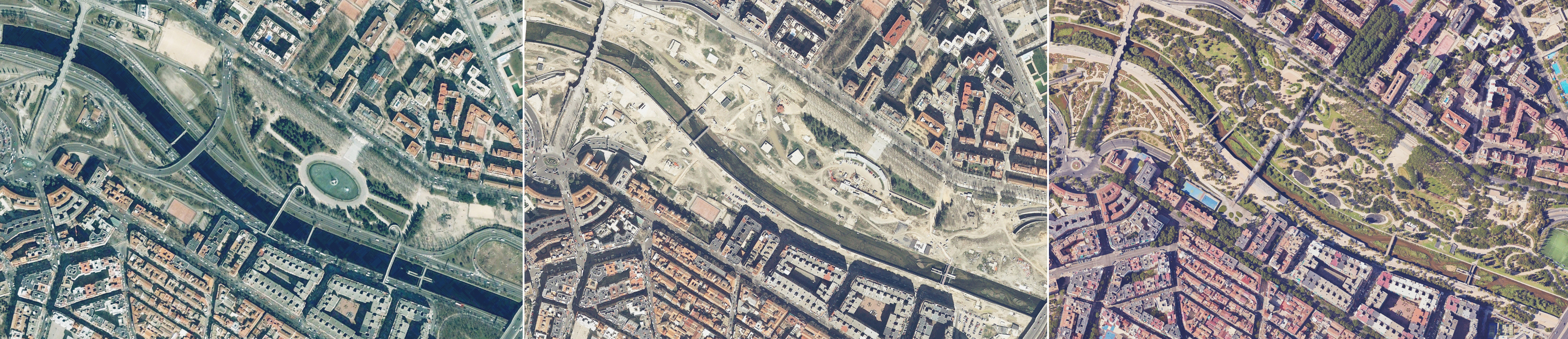
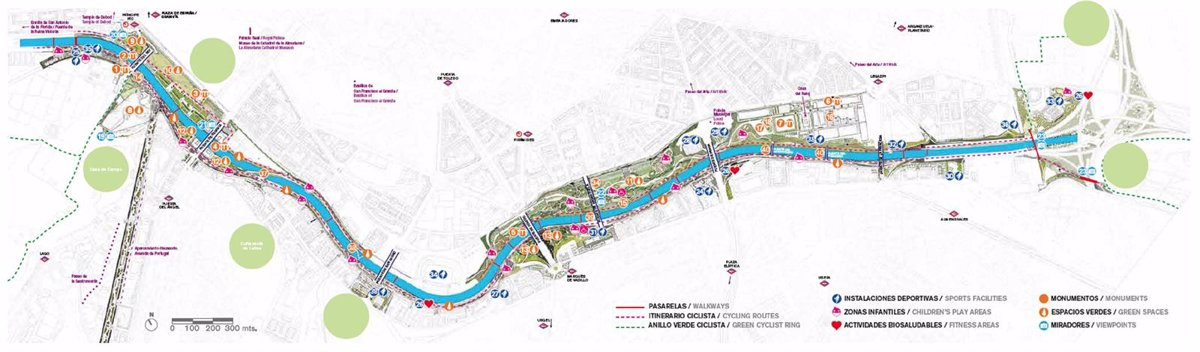
The urban and landscape adaptation designed to cover the surface occupied by the underground section of Madrid’s M-30 ring road translated, from a structural perspective, into different magnitudes of loads that had to be supported by the cover slabs of the tunnel structures. The M-30 tunneling project, executed prior to the design of this adaptation, was defined and carried out by several construction companies, each implementing different solutions for the cover slabs in their respective sections. The structural configuration and dimensions of these slabs varied depending on the span to be covered, which was determined by the number of lanes in each section and the access ramps. Since these slabs had been designed to withstand specific permanent loads predefined by the project owner, it was necessary to conduct a specific feasibility study to enable the proposed adaptation.
Pro
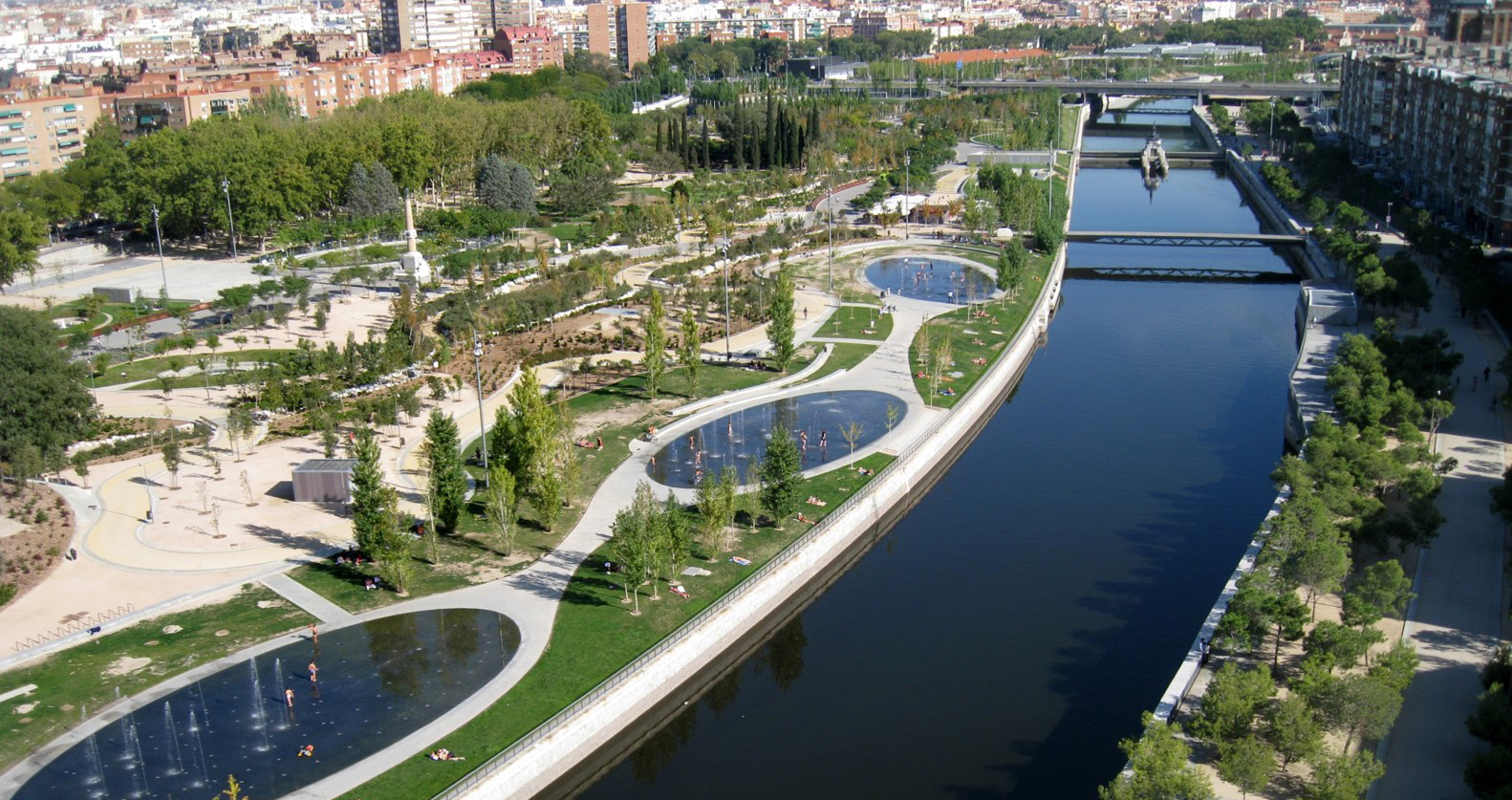
The study therefore focused on analyzing the load-bearing capacity of each cover slab for the weight of the soil fill required to shape the topography as planned in the adaptation project. Where necessary, structural reinforcements or alternative lightweight filling solutions (using lower-density materials such as expanded clay or expanded polystyrene) were proposed to ensure the feasibility of the adaptation. This was particularly important in specific areas such as tree-lined zones, which required greater fill height, or areas subject to significant point loads, such as benches, fountains, or kiosks
The urban and landscape adaptation designed to cover the surface occupied by the underground section of Madrid’s M-30 ring road translated, from a structural perspective, into different magnitudes of loads that had to be supported by the cover slabs of the tunnel structures. The M-30 tunneling project, executed prior to the design of this adaptation, was defined and carried out by several construction companies, each implementing different solutions for the cover slabs in their respective sections. The structural configuration and dimensions of these slabs varied depending on the span to be covered, which was determined by the number of lanes in each section and the access ramps. Since these slabs had been designed to withstand specific permanent loads predefined by the project owner, it was necessary to conduct a specific feasibility study to enable the proposed adaptation.
The study therefore focused on analyzing the load-bearing capacity of each cover slab for the weight of the soil fill required to shape the topography as planned in the adaptation project. Where necessary, structural reinforcements or alternative lightweight filling solutions (using lower-density materials such as expanded clay or expanded polystyrene) were proposed to ensure the feasibility of the adaptation. This was particularly important in specific areas such as tree-lined zones, which required greater fill height, or areas subject to significant point loads, such as benches, fountains, or kiosks
M30 Cover. Madrid Río Park Project
Madrid, Spain
Structural typology Structures Souterraines
Date October, 2010
Scope Technical support
Cliente MRIO Arquitectos
Architect MRIO Arquitectos (Burgos/Garrido, Porras/La Casta, Rubio/Álvarez-Sala y West 8)
Construction Ferrovial
Owner Ayuntamiento de Madrid
The urban and landscape adaptation designed to cover the surface occupied by the underground section of Madrid’s M-30 ring road translated, from a structural perspective, into different magnitudes of loads that had to be supported by the cover slabs of the tunnel structures. The M-30 tunneling project, executed prior to the design of this adaptation, was defined and carried out by several construction companies, each implementing different solutions for the cover slabs in their respective sections. The structural configuration and dimensions of these slabs varied depending on the span to be covered, which was determined by the number of lanes in each section and the access ramps. Since these slabs had been designed to withstand specific permanent loads predefined by the project owner, it was necessary to conduct a specific feasibility study to enable the proposed adaptation.

The study therefore focused on analyzing the load-bearing capacity of each cover slab for the weight of the soil fill required to shape the topography as planned in the adaptation project. Where necessary, structural reinforcements or alternative lightweight filling solutions (using lower-density materials such as expanded clay or expanded polystyrene) were proposed to ensure the feasibility of the adaptation. This was particularly important in specific areas such as tree-lined zones, which required greater fill height, or areas subject to significant point loads, such as benches, fountains, or kiosks

conjunto_10904.jpg
fotonoticia_20110414140122_1200_10905.jpg
location
Related projects